
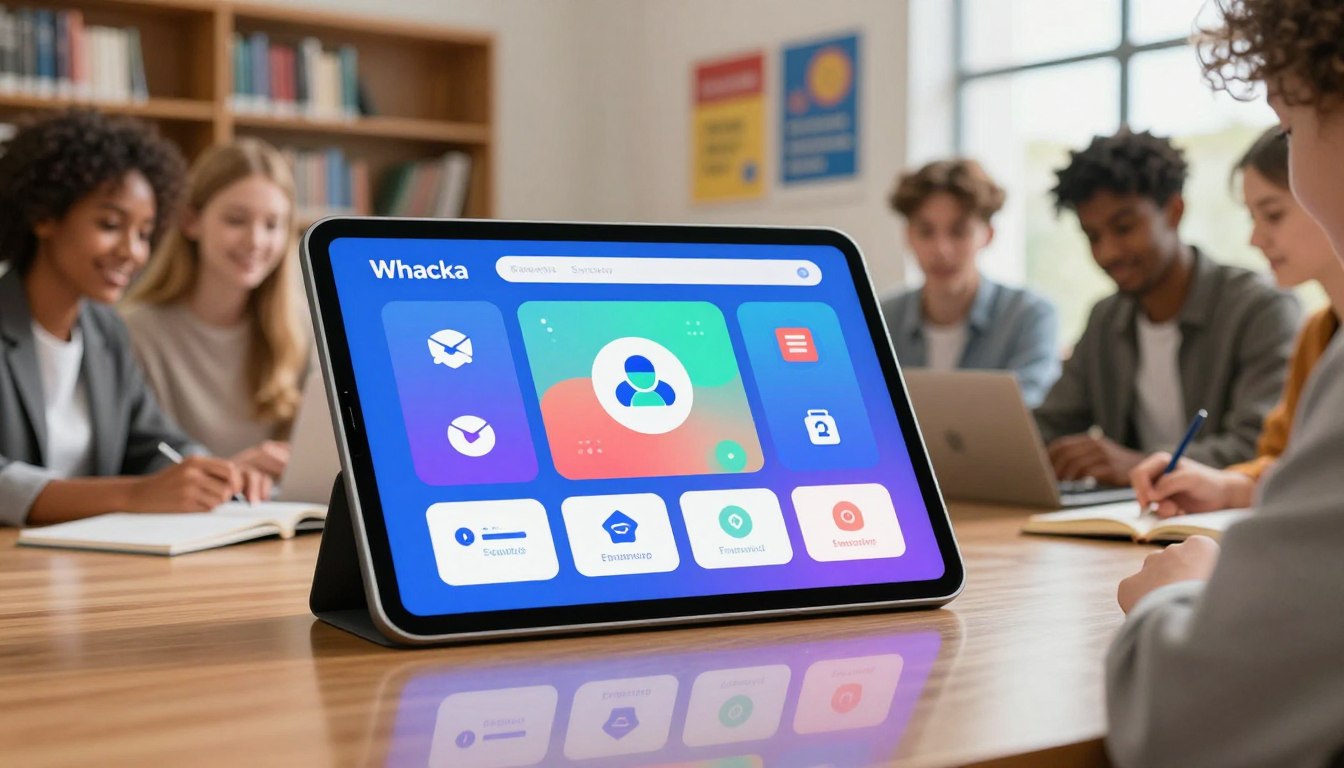
More than 70% of students use digital tools for schoolwork, yet many cannot find one tool that meets their needs. That gap led me to test whether artificial intelligence could turn one plain-language prompt into a useful student app.
My answer began with Whacka. I described the problem in everyday words instead of starting with a large programming project. I wanted a smart app to organize tasks, offer learning support, and provide a personalized learning tool.
This prompt based app made the first step less technical and more practical.
The experience showed how quickly ai development is changing app creation. With nlp technology and machine learning, an ai student app can move from an idea to a working concept fast. It also taught me that innovation does not remove human judgment.
I still had to shape the idea, review each result, test the user experience, and protect student data. That balance matters in artificial intelligence in app development. AI technology can support smart app creation, but people must guide the goal, language, and limits.
For anyone exploring app development with ai, Whacka offers an encouraging starting point. Tools such as Code.org’s App Lab show how beginners can learn through hands-on projects. Clear visuals and simple explanations also help turn an early idea into a product others understand.
This ai built my student app from one prompt! whacka presents an innovative student tool, an nlp student app builder, and the growing promise of educational technology.
I saw how an nlp app development platform could support innovative app creation and digital transformation. Whacka became more than a test of advanced technology for students. It became an artificial intelligence app, an artificial intelligence app creation project, and a personalized learning tool for education technology.
That process reminded me of fast feedback. I used Gamma AI for clear project presentations, which helped me explain the idea to others. The result was a practical look at an ai built student app and the promise of innovative app development.
This AI Built My Student App From One Prompt! Whacka
I started Whacka with one goal: build a student app for tasks, deadlines, and daily study time. The idea felt ambitious, but student app ai tools made the first step less intimidating. I wanted a useful technological student tool, not a flashy demo.
My prompt worked like a product brief. I described the student problem, target users, home screen, task tracking, reminders, and learning recommendations. I added accessibility needs, a calm tone, and a clear workflow for busy students, shaping automated app creation.
Whacka used natural language processing to read the app’s purpose and link each request to a feature. It recognized intended users, the desired tone, and how each screen should support personalized learning. This showed how ai in education can turn plain language into a practical plan.
The first result offered a strong start for ai application development. The ai app builder for students made a clean home screen, task cards, reminder settings, and basic recommendations. This was fast student app creation, but the first version still needed care.
I reviewed each screen as a student might use it between classes. Some labels needed simpler language, while the reminder flow felt too busy. The learning suggestions needed more control, so my feedback made the ai built student app more useful with each revision.
That process changed my view of automated student app creation. Single prompt app creation can build a working base, but clear communication guides the result. I used smaller requests for app development, ai programming, and innovative app design instead of asking for changes at once.
Whacka app development supported innovative student app development through writing, testing, and refining. This approach supported efficient app building with ai, quick app development with ai, and streamlined app development using ai. It gave me room to focus on the student experience instead of early technical work.
I kept accessibility in view during the next pass. I tested readable contrast, clear navigation, keyboard access, and voice recognition ideas for students needing hands-free controls. These details helped turn an innovative student app into one of the most thoughtful innovative apps I could imagine building.
My experience with whacka app development with ai taught me that advanced technology still needs human judgment. The ai application could suggest layouts and interactions, but I had to test whether each choice felt natural. That balance shaped my ai student app development, making the student app built with one prompt feel personal.
How to Build a Student App With AI and Natural Language Processing
I start education app development by choosing one clear student need. A narrow goal makes the personalized learning experience easier to shape, test, and improve. For my Whacka project, I chose a simple study journey instead of solving every school challenge.

My first step in personalized app creation is writing a detailed prompt. I describe the audience, main task, content limits, visual mood, key features, and desired result. This supports innovative app building and gives the system enough direction for a useful first draft.
With one prompt, I guide ai app development through a clear plan. The Whacka AI app uses one prompt AI methods to turn plain language into screens, menus, forms, and basic workflows. This approach makes student app creation practical for people without deep coding skills.
Natural language processing gives app building with AI its working structure. In NLP app development, the system reads the prompt and connects user goals with interface elements. An artificial intelligence app builder can support innovative app design, but I review each choice for clarity and purpose.
Machine learning can support a personalized learning app by spotting study patterns. A machine learning app might suggest a review topic or useful resource based on recent activity. I keep these suggestions clear, optional, and easy to change, so students remain in control.
This process fits data driven app development when data is handled with care. I protect student information, limit collection, and avoid claims that the app cannot support. Responsible artificial intelligence development matters as much as speed when creating apps for learners.
During testing, I check the user friendly interface on small screens. I test navigation, buttons, forms, loading time, error messages, text size, and accessibility. These steps help advanced student applications feel calm and useful instead of confusing.
Whacka shows how automated app development can support next gen app development without removing human judgment. The Whacka app may be ai built through cutting edge app technology, but educational content still needs careful human review.
For me, innovative technology works best when it serves a real need. A build student app plan should combine innovative learning tools, simple language, and a clear user journey. That balance makes prompt based app creation more thoughtful and gives artificial intelligence student app projects stronger foundations.
Publishing the Whacka App as a Progressive Web App
After Whacka was built, I prepared it for real-world use as an educational app. My ai app creator turned an ai programming prompt into code from one prompt, making one prompt app development practical. This ai app building prompt supported app building with one prompt as I shaped the student tool around real needs.
The result is a Progressive Web App, or PWA. Students can open it through a web browser using a shared link. On supported phones, they can add it to the home screen and use it like an app without an app store release. This smart app builder made sharing simple for students, teachers, and early testers.
Before sharing Whacka, I test it on desktop and mobile browsers. I check every button, form, menu, and screen size. I review privacy details and test slower connections, so seamless app generation does not create a poor user experience.
This workflow blends artificial intelligence programming with educational application development. Tools for nlp for app creation, app creation with nlp, and prompt based app building can speed up automated student app building. The ai app building platform serves as a machine learning tool and machine learning app builder for early product ideas.

I see this as a useful path for entrepreneurs. Artificial intelligence apps, artificial intelligence tools, and artificial intelligence in apps can support tech innovation in education. With ai technology in education, advanced ai technology, and advanced ai solutions, a small team can test a useful idea before investing in a larger release.
Whacka reflects how programming technology is changing product work. An artificial intelligence prompt can guide artificial intelligence programming, while an nlp generated app can support app development automation. These tools bring cutting edge technology and a cutting edge tech solution to people who may not have a full development team.
For a deeper guide to packaging a PWA for Android, I used this Google PWA publishing guide. It showed how a built by ai product can move from a browser link toward wider distribution while keeping tests simple.
Conclusion
Building Whacka showed me how far ai technology for student apps has come. With student app development with ai, I turned a simple idea into a working prototype using an ai programming tool. This innovative student app creation process made app development from one prompt feel possible without years of coding experience.
The result is more than ai built software. Whacka is a student productivity app that shows personalized student app development and automated app building for students. Its nlp ai app features support an innovative app solution, while prompt based ai guided each stage of intelligent app development.
I defined a student need, tested the experience, and heard feedback; artificial intelligence app tools do not replace product choices. Strong ai driven student app solutions need care. Artificial intelligence app development, personalized app development, and advanced app creation need clear goals.
The browser version and PWA format made sharing Whacka simple through an open process. This process supports technology in education, better technology for students, and efficient app development. As ai features grow, machine learning app development may turn small ideas into meaningful products, growth paths, or side businesses.



Leave a Reply