
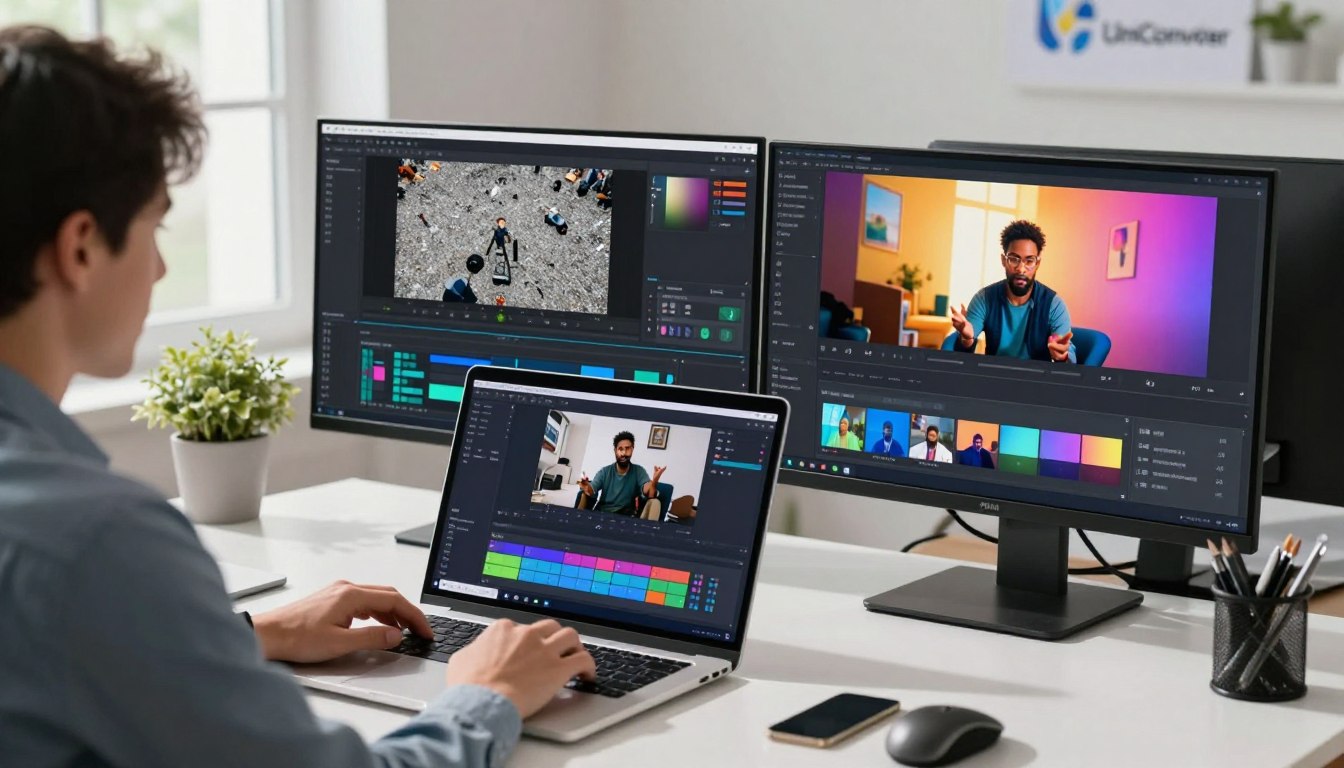
One rough video became four different Shorts: 15, 30, 60, or 90 seconds, without another recording. This discovery changed my view of imperfect content and showed me how to reshape a weak video. Instead of deleting it, I made it useful.
I started with footage that looked far from professional. The lighting was weak, background noise distracted from my message, and pacing felt uneven.
Several places had awkward pauses. The framing was limited, and the video had no captions.
At first, I thought the recording was a lost opportunity and wasted effort. I had spent time planning and filming it, yet I did not feel confident sharing it. Many aspiring entrepreneurs face this problem when each post must support a service, product, or personal brand.
That was when I tried AI video editing. It helped me find strong moments, tighten the message, and improve the presentation without starting over. Artificial intelligence content creation made the work feel manageable, not less personal.
My goal was not to hide every flaw. I wanted to improve video quality with AI while keeping my ideas and voice. The tool helped transform video with AI: it shaped the transcript, created new visuals, added narration, and built vertical formats.
I also explored AI video remastering in my workflow. This automated video editing process turned one longer recording into focused content for YouTube Shorts, Instagram Reels, and TikTok.
For me, video content enhancement was more than a technical upgrade. It became a practical lesson in video content optimization. AI-generated content and AI-powered content creation add speed and structure, but I guided the topic, tone, and final message.
This approach showed me how to enhance video with machine learning and improve video quality with artificial intelligence. It also taught me to use content enhancement using AI without losing authenticity. Video editing with machine learning can support creators, but it cannot replace their experience or creativity.
AI for video production also changed my view of consistency. With the right content creation tool and video editing software, I could enhance video production with less manual work. That gave me more time to serve clients, promote my skills, and build an additional income stream.
In the sections ahead, I explain how transforming video with AI technology moved me from rough footage to publish-ready content. I also share how AI-driven video improvement can support personal growth and stronger visibility. Enhancing video content with artificial intelligence can support greater financial independence.
I Turned a Bad Video Into Publish-Ready Content With AI
I imported the recording and watched the full timeline before editing. I wanted to hear the speaker’s voice, find weak sections, and separate technical issues from content issues. This review gave the final video a clear purpose.
The recording had background noise, long pauses, uneven lighting, and some shaky moments. The message helped, but the delivery felt slow. I chose the strongest statement as the central lesson and planned a clear beginning, middle, and close.
I used AI software for video editing for the first cleanup pass. The platform suggested noise reduction, speech clarity, color correction, stabilization, silence removal, scene detection, and reframing. This made automated content creation feel practical, not overwhelming.
My goal was to improve video quality ai without making the footage look artificial. Automated video enhancement balanced exposure, softened harsh noise, and tightened empty spaces. I treated each suggestion as a draft, not a final choice.
The process showed how ai technology for video production can save time during a rough edit. Video editing ai found pauses and repeated phrases. Content creation ai organized useful moments into a stronger story, while I kept control of tone and pacing.
I reviewed every cut before accepting it. Some pauses made the speaker sound thoughtful, so I kept them. I removed distracting gaps, which helped me transform video with artificial intelligence while preserving personality.
Good ai enhancement tools support ai video optimization when editors know their audience. I removed repeated points, tightened the opening, and moved the clearest example closer to the start. These choices made the video easier to follow without changing its meaning.
The next pass used ai editing software and ai content editing. I corrected captions, checked names, and matched text timing to spoken words. I used ai video editing solutions for routine work, but read every caption because errors can weaken trust.
This was my first real video content transformation. The tools supported ai content creation, transforming videos with artificial intelligence, and automated content enhancement in one workflow. I could transform video content with ai while preserving the speaker’s warmth and small humor.
I treated the project as an ai-powered video editing solution, not a button that fixes everything. My content creation software helped compare the raw and revised cuts. That side-by-side view showed whether each edit improved the message.
The value of artificial intelligence in video editing became clear during this review. Transforming videos with ai works best when technology handles repetitive tasks and people protect the story. I used ai content solutions to support decisions, not replace judgment.
For product clips, I found a related workflow in this guide to content creation with ai. Its focus on short formats, captions, templates, and platform-ready exports matched my need for clean, useful edits.
I tested video enhancement with ai on the weakest recording sections. Video enhancement ai improved clarity, while ai for video improvement helped me choose where to use stabilization and reframing. I avoided heavy effects because I wanted a comfortable viewing experience.
The final pass used video transformation ai and media content ai conversion to prepare one recording for publication. This part of video editing technology helped shape the frame, adjust the pace, and keep important visual details in view.
My ai-powered video editing process saved time, but human review shaped the result. Automated content enhancement can remove friction, but it cannot decide what the speaker means. I wanted the finished video to feel clear, honest, and easy to watch.
How I Improved Video Quality With AI and Automated Editing
I began with a clean master file before making creative changes. This gave me one safe version while testing each edit. My video editing tool guided the workflow, supporting video enhancement and helping me improve video with ai safely.
My first step was audio cleanup. Clear speech matters more than perfect visuals because viewers forgive soft images faster than noise, echo, or uneven volume. With ai technology for video editing, I reduced background sound, balanced levels, and made every word easier to hear.

Next, I used video enhancement tools to correct exposure, color, and contrast. The image looked brighter and more natural without feeling overprocessed. This ai video enhancer helped transform video quality through small changes instead of heavy effects.
Stabilization came after visual correction. The original footage had slight camera movement, which made the recording feel less polished. I used ai-powered video enhancement to smooth motion, crop empty edges, and keep attention on the speaker.
Cropping created a cleaner frame for mobile viewers. I removed distracting space and kept the subject near the center. This simple part of video editing with ai focused the content for different screens.
I reviewed the pacing before cutting full sentences. My ai software for content creation found long pauses, repeated words, and quiet gaps that slowed the message. I selected each suggestion carefully because automatic video editing should support judgment, not replace it.
The rough transcript gave me a clear map of the recording. I could search for strong quotes, useful explanations, and sections that worked as short clips. This made ai editing for video content practical and helped me transform video content into a sharper story.
I used these markers to guide clip selection. The system found usable moments, but I watched every cut in context. This matters when you transform bad video into professional content because clean clips may still lack meaning or energy.
UniConverter generated subtitles from speech and let me edit them before export. I checked names, technical terms, punctuation, and timing line by line. This part of content creation with artificial intelligence gave me speed while keeping control of the final message.
Wondershare says its current subtitle tools support translation into 145 or more languages and bilingual subtitles. That reach can help a small business speak to viewers outside its main language. I would review every translation for tone, meaning, spelling, and timing before publishing.
At this stage, I treated enhancing video with ai as a careful process. It supported ai for video enhancement by finding patterns that could take hours to spot by hand. My review kept the result natural and matched to the audience.
I made a second pass for rhythm and emphasis. Small trims removed hesitation, tightened transitions, and made the speaker sound more confident. This automated video improvement showed how modest edits can enhance video production with ai.
The workflow supported ai video production without making the video feel machine-made. I could transform video using ai, test several versions, and keep the clearest message. This felt safer than trusting a one-click preset.
For longer recordings, I treated the project as a content repurposing tool. The transcript, clip markers, subtitles, and clean master made it easier to create video to publishable content for several formats. Each asset received human review before export.
These steps combine artificial intelligence editing with a steady production routine. I used automated video editing tools for speed and ai-driven video editing solutions for discovery. I kept control over tone, pacing, framing, and the most important points.
My goal was not to hide every flaw. I wanted to enhance video with ai technology while preserving the speaker’s personality. With careful review, ai-assisted content creation can transform video with artificial intelligence and make the work more manageable.
That balance helped me choose the best ai tool for video enhancement. I looked for accurate captions, useful clip suggestions, steady correction, and simple controls. Advanced video editing software with ai can save time, but thoughtful human decisions determine its value.
By combining ai video enhancement with careful editing, I created publish-ready content ai could help shape without controlling. The result was cleaner audio, steadier visuals, stronger pacing, and a reliable path from rough recording to polished message.
Turning One Video Into Publish-Ready Content Across Multiple Platforms
Once I had a cleaner master file, I stopped treating it as finished. My workflow used ai technology for content creation and video enhancement technology to build a complete content package.
Short vertical clips came next. I used multimedia production with ai for TikTok, Instagram Reels, and YouTube Shorts. Each clip shared one clear idea instead of squeezing in the whole message.
I used content optimization ai to find strong moments. Then, ai powered content creation shaped them for each platform. Artificial intelligence video editing handled trimming, resizing, captions, and timing, while I chose the hook and call to action.
Automated content creation saved hours without removing my voice. I saw enhancing videos with artificial intelligence as creative support, not a replacement for judgment.
The master file went through ai-powered video transformation and video optimization with ai before each export. A video enhancement tool improved clarity, while ai video editing software handled repeated tasks.
I used content transformation ai to pull out strong statements for an audio extract. That file could support a podcast, a social post, or an audio message for my email list.
Captions gave the recording more reach. Through video to text conversion, I created a transcript for a blog post. I used ai content generation for supporting copy, then edited every line to keep my voice.
My use of ai technology in content creation became more practical. I used ai editing solutions to organize clips, transform videos, and improve video content without repeating the recording.
Quote graphics came from useful transcript lines. Content optimization with ai helped create posts that stood alone, while ai-driven video editing kept clips focused.
Subtitles made silent phone viewing easier and improved access for people who could not hear. I used video editing automation. I checked timing myself and prepared bilingual subtitles when needed.
Each asset needed a human choice. I considered the audience, needed context, viewing time, and best platform action. That care helped me optimize video content instead of posting one file everywhere.
Before publishing, I checked every export on my phone and desktop. I reviewed text safe areas, audio levels, crops, and the original message after ai-driven content creation.
That review mattered most during bad video transformation. The tools could enhance video for publishing, but I had to catch odd cuts, missed words, and covered faces.
I used ai for video production. Video enhancement tools, ai in video production, and content production automation helped create revamped video content with less strain.
The result was a useful asset library: a full video, vertical clips, audio, a transcript, quote graphics, and email copy. This mix of ai-assisted content creation, video quality enhancement, and video production automation helped me stay visible while protecting the original message.
Conclusion
I learned that a weak first recording is not wasted work. With a clear goal, video editing with artificial intelligence, and human review, I can improve video quality using ai. Revamping video with ai creates polished content assets and enhances video production with ai technology without losing my voice.
My process is simple: define the audience, protect the original file, and improve audio first. I use an automated video editing tool and ai tools for automatic content editing and ai-powered video improvement. I also use automated video enhancement and review every suggestion. Responsible ai-enhanced video editing and content enhancement ai support my judgment, not replace it.
Before publishing, I edit subtitles, check translations, create platform-specific versions, and review each final file. These habits improve video editing, video content optimization, and enhancing video content with ai through a video improvement tool. Artificial intelligence video tools, ai-driven video editing, and ai technology for video build trust through accuracy and genuine messages.
One recording can become strong video content transformation through purposeful ai-powered content creation, ai content solutions, and content creation software. It gives me time for clients, visibility, and meaningful creation, while ai content creation software helps enhance video with technology. For an aspiring entrepreneur, content production with ai can open a personal, useful, authentic side business.


Leave a Reply