I Turned 1 Ninja CREAMi Photo Into a Full AI Ad OpenArt Director.
One product photo can turn into a full ad with over a dozen looks. I tested this with a Ninja CREAMi photo and OpenArt Director. My goal was to see if it could create a complete AI ad from just one photo. The Ninja CREAMi was my main focus. Its design, color, and controls had…
One product photo can turn into a full ad with over a dozen looks. I tested this with a Ninja CREAMi photo and OpenArt Director. My goal was to see if it could create a complete AI ad from just one photo.
The Ninja CREAMi was my main focus. Its design, color, and controls had to stay consistent in every image. This kept the project focused on the product, not just random AI images.
Using OpenArt Director, I felt like directing a production. I guided the AI, reviewed each image, and looked for what worked. I also checked for errors and weak spots. Then, I refined my direction and tried again.
This showed me that AI can support human judgment, not replace it. Knowing the product and brand is still key. Creative AI just gives us more options quickly.
This process links AI photo transformation with real-world ads. A strong Ninja Creami photo can lead to many types of digital art. With the right direction, one image can tell a bigger story.
This is great for entrepreneurs, creators, and professionals wanting to make money online. The final work can help launch a product, support an affiliate campaign, or enhance an ecommerce page. I’ve also seen how AI can make campaigns faster and cheaper, like this AI ad campaign for a limited product.
You don’t need a studio or expensive gear to start. Just a clear idea and a useful product image are enough. OpenArt technology can help, but the creative director makes the key decisions.
In this article, I’ll share the steps of my Ninja Creami photo experiment. I’ll focus on the creative process, not expecting perfect results right away. Iteration is key in modern photo manipulation and AI advertising.
I Turned 1 Ninja CREAMi Photo Into a Full AI Ad OpenArt Director
Starting with just one NinjaCREAMi photo, I aimed for something more than just pretty pictures. I wanted a clear Ninja CREAMi AI advertisement that stood out. It had to have one message, one mood, and a product that was easy to spot in every scene. This goal changed how I saw AI generation and digital art.
Unlike a basic tool that makes one picture, an AI ad director leads a whole campaign. I pick the audience, set the message, and decide the mood. I also review each image and adjust if needed.
My role is similar to a creative director. I choose the ad’s feel, whether it’s bright and welcoming or sleek and premium. This way, AI helps with visual storytelling, not replace human judgment.
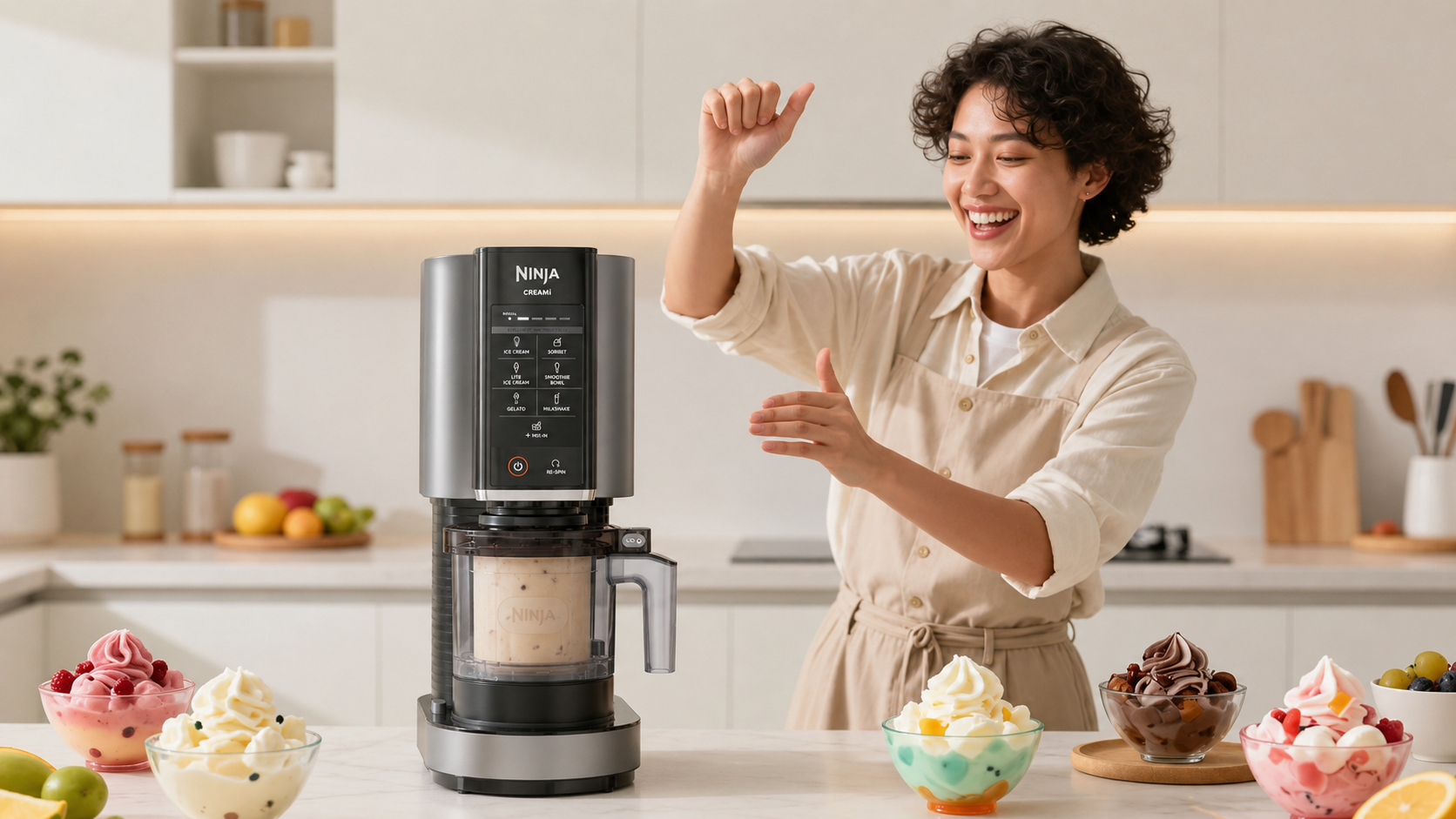
The original NinjaCREAMi photo can be used in many ways. It can be in a bright kitchen scene, a close-up product shot, or a family enjoying dessert. It can also be used for colorful social media graphics or a polished product showcase.
Consistency is key. The machine must keep its shape, controls, colors, and details the same in every scene. Using connected lighting, props, and backgrounds helps tie the images together.
OpenArt helps with image transformation, photo editing, and AI photo manipulation. I still check every result for mistakes like distorted buttons or wrong text.
My process starts with the reference image. I describe the audience, setting, and style, then generate a draft. I review it carefully, revise if needed, and create another version if necessary.
This review stage gives AI art transformation a practical use. Each generation is a draft, not the final product. Comparing options helps me make better choices.
Good graphic design is essential. A clear ad hierarchy, readable copy, and balanced composition make each image effective. Without these, even advanced ads can be unclear.
This is where marketing innovation meets useful design. AI ad creation supports creative solutions and digital marketing for small businesses. A solo founder can explore more ideas without a big team.
Automated ad production speeds up early concepts, but quality control is key. I check each frame for accurate details and honest claims. This human review keeps AI ad creation responsible and connected to customers.
The workflow shows modern AI-driven marketing and digital advertising technology. It combines machine learning with artistic technology, giving marketers more room to test ideas. These solutions support social ads, product launches, and more.
I see every AI advertisement as a mix of strategy and imagination. Advanced creative advertising works best when technology serves a clear purpose. With the right direction, AI can turn one photo into a flexible campaign system.
How to Create a Full AI Ad From One Product Image
I start with a clear Ninja CREAMi photo. It needs strong light, a clear product shape, and minimal background. A sharp image helps in creating ads for various sizes.
Before using OpenArt, I set my campaign goal. It could be to introduce the product, promote sales, share a dessert idea, or create social media content. A clear goal keeps the marketing focused.
I then decide on my audience and message. Different groups might respond to different ideas. This choice affects the setting, colors, and copy of the ad.
In OpenArt, I upload the product image. It’s more than a reference. It ensures the product, branding, and visuals are consistent. This step is key for a successful ad.
My prompt is like a creative brief. I describe the product, setting, lighting, and more. Clear language helps AI technology understand my vision better than a simple request.
I ask for several concepts before choosing one. I compare them for accuracy, emotion, and message clarity. This way, I get creative AI enhancement without losing human judgment.
From the best concept, I create a small ad sequence. It might include a hero image, ingredient shots, and a lifestyle scene. A final frame invites action.
I review each image carefully. Does the Ninja CREAMi look right? Does it fit naturally in the scene? Does the background support the message? Consistent answers help shape the ad.
Weak results need focused edits. I change one thing at a time, like product placement or light. This improves the ad while keeping its visual identity.
After the images are stable, I add copy and layout. Headlines should be short and clear. I check the content by hand for spelling and tone before publishing.
One concept can be used in many places. I adapt it for social posts, product graphics, website banners, and digital ads. The style stays consistent across different layouts.
This workflow can be a strong portfolio piece for independent creators. It shows AI marketing skills and creative techniques to small businesses. It balances AI and human creativity.
I always keep my claims honest. I don’t add features the Ninja CREAMi doesn’t have or promise unrealistic results. Trust is key in responsible AI advertising.
The process is simple: reference image, goal, direction, generation, review, revision, layout, adaptation, and quality check. This makes AI ad work a practical tool, not a guessing game. It combines AI marketing, digital innovation, and design in a clear process.
Conclusion
One CREAMi photo can do more than just show a product. With OpenArt, I made Ninja CREAMi photography into a full AI ad. This involved clear direction, careful photo editing, and regular checks.
This process turned one photo into many visual assets. These included product heroes, lifestyle scenes, and social media posts. They all came together to tell one story for online ads and brand promotion.
The main lesson is not about the AI software. It’s about how we judge images, keep product details safe, and link each design to a clear message. Using AI to transform images works best when we support it with a solid marketing plan.
OpenArt can guide the AI process, but human choices are still key. This approach helps us grow by testing new ad ideas and exploring trends. It also builds a portfolio with AI tools and creative editing.
This can lead to jobs as an AI ad creator or artistic director. It shows how AI can help in advertising without losing human touch.
I suggest starting with a product you know and a clear campaign goal. Try different formats and moods while keeping the product’s identity strong. AI can open new doors, but patience and purposeful review lead to the best results.
FAQ
What did I create with one Ninja CREAMi photo?
I used one Ninja CREAMi photo as the base for a complete AI ad concept. With OpenArt Director, I created product hero shots, lifestyle scenes, and promotional graphics. I also developed a connected visual story instead of just one image.
What is OpenArt Director?
OpenArt Director is a creative AI workflow that makes image generation feel like directing a production. I set the campaign goal, choose the mood, and review each result. I guide the next version until the scenes support the same brand message.
How is an AI art director different from a basic image generator?
A basic generator might produce one attractive image from a prompt. An AI art director workflow connects the product, audience, message, visual style, and campaign format. This way, the final images work together as an AI advertisement.
Why use a Ninja CREAMi photo as the visual reference?
The Ninja CREAMi photo gives the project a clear visual anchor. It helps the AI preserve the appliance’s shape, color, controls, and design details. I explore new settings through photo transformation AI.
What types of scenes can one product image create?
I can develop a bright kitchen scene, a premium product showcase, or a family dessert moment. I can also create a close-up hero image or a colorful social media graphic. These options support visual storytelling while keeping the Ninja CREAMi at the center.
How do I begin a photo-to-AI ad transformation?
I start with the clearest product photo I have. Then, I define the campaign goal, target audience, setting, lighting, color palette, camera angle, and intended platform. After that, I create the first image transformation.
What makes a strong product photo for AI ad creation?
A strong reference image has good lighting, a visible silhouette, minimal obstruction, and enough resolution for the final ad format. A clean Ninja CREAMi photo gives the AI a better foundation for image manipulation and product consistency.
What should I include in an OpenArt prompt?
I describe the product, environment, lighting, camera angle, mood, color palette, audience, composition, and platform. Clear prompt writing and NLP technology help communicate the concept. However, review and revision still guide the creative process.
How do I keep the product consistent across multiple AI images?
I use the original photo as a reference and check each generation closely. I look for changes in the appliance shape, controls, colors, lid, and placement. This ensures the AI-generated content remains recognizable throughout the campaign.
What problems can appear during AI photo manipulation?
I may see distorted controls, incorrect product details, awkward hands, unrealistic food textures, or cluttered backgrounds. These issues are normal in AI art transformation. I treat every generation as a draft that needs human quality control.
How many images should I generate before choosing a concept?
I usually compare several concepts instead of accepting the first result. I judge each option for product accuracy, emotional appeal, realism, composition, and fit with the campaign’s visual branding.
What scenes can form a complete AI ad sequence?
A useful sequence may include a product hero shot, an ingredient moment, a lifestyle scene, a close-up of finished dessert, and a final promotional graphic. Together, these scenes create a stronger digital advertising story than one isolated image.
Does AI replace a human art director?
No. AI can expand creative possibilities, but I still decide what the ad should communicate and which images are useful. Human judgment protects product accuracy, brand awareness, ethical advertising, and clear visual communication.
How does AI improve the creative process?
AI can speed up early concept development and provide many visual directions in a short time. I use that range to test ideas, refine the strongest options, and build digital art production assets without needing a full studio.
When should I add advertising copy and graphic design?
I add copy after the visual direction is stable. Short headlines, readable typography, strong contrast, balanced layouts, and enough negative space help turn AI-generated visuals into effective automated ad design.
Can AI create accurate text inside an advertisement?
AI-generated text can contain spelling errors or unclear letters. I check every headline, offer, product detail, and call to action manually. Then, I add final copy with reliable graphic design software when needed.
Which formats can I create from the Ninja CREAMi photo?
I can adapt the campaign into square product graphics, vertical social media posts, website banners, digital ads, email visuals, and short-form video concepts. Each version should keep the same colors, product identity, and core message.
How can this process support online marketing?
The finished visuals can support social media promotion, ecommerce campaigns, product launches, affiliate marketing, online promotions, and brand promotion. They can also become examples of creative advertising for future clients.
Can this workflow help me build an additional income stream?
Yes. I can practice with personal projects, create a portfolio, or offer AI ad creator and digital art director services to small businesses. These projects help demonstrate practical skills in creative marketing, visual branding, and AI-powered design.
Is OpenArt useful for small businesses?
OpenArt technology can help small businesses explore advertising ideas without starting with a traditional production team. It supports AI-powered design solutions and early concept development while human review keeps the final work accurate and useful.
How does AI-driven marketing support creative advertising?
AI-driven marketing helps teams test different audiences, moods, scenes, and layouts more quickly. I still connect each option to a clear marketing strategy so the visuals support a real business goal instead of becoming decorative digital art.
What is the role of visual storytelling in an AI advertisement?
Visual storytelling gives the campaign a beginning, middle, and message. A product introduction, a use moment, and a finished dessert scene can show viewers why the Ninja CREAMi matters in a simple and memorable way.
How should I review an AI-generated advertisement?
I check the product, food, hands, text, lighting, shadows, props, and overall composition. I also ask whether the image makes a truthful claim and whether the design fits the audience, platform, and brand.
Should I make changes to every part of an image at once?
I prefer targeted revisions. I change one issue at a time, such as product placement, camera distance, lighting, background clutter, food styling, or color balance. This way, I can understand which adjustment improves the result.
What makes an AI ad look professionally directed?
Professional results depend on consistency, clear composition, useful copy, controlled lighting, and a strong message. The technology matters, but thoughtful creative direction and careful photo editing often make the biggest difference.
Can I use a Ninja CREAMi photo for a client project?
I should confirm that I have the right to use the product image, brand assets, and generated materials. I also need to avoid unsupported claims and make sure the final AI advertisement represents the product honestly.
What responsible advertising rules should guide AI ad creation?
I avoid misleading comparisons, invented features, false results, and claims the product cannot support. AI-enhanced advertising should remain recognizable, accurate, and clear to the audience.
Does the first AI generation need to be perfect?
No. I view the first result as a creative draft. Iteration is an essential part of AI ad creation because each review helps improve the product identity, visual style, message, and campaign structure.
What is the main lesson from turning one photo into a full AI ad?
One product image can become the starting point for a complete advertising system when it is paired with a clear goal and thoughtful direction. AI generation opens possibilities, while human creativity turns those possibilities into useful marketing assets.



Leave a Reply